Travel, whether by train, minibus, or bus, always brings a touch of adventure. For many young people, their first experiences alone in a new place inspire great excitement, but also a slight sense of stress.
For most students starting university life, the first days in the dormitory are filled with new experiences: meeting their roommates, settling into a new environment, getting used to the sounds of previously unfamiliar hallways, and, of course, homesickness.
In these moments, every gesture from parents takes on special meaning, even a small package with their favorite snacks.
However, sometimes parents don’t just offer support and care, they also demonstrate a surprising sense of humor that remains etched in the memory for a long time. This is what one young man experienced, whose story quickly went viral on social media.
The boy had just arrived in Bucharest for his first year of university and was just beginning to adjust to life in the dormitory.
For someone who had never lived away from home, even simple tasks like unpacking, making the bed, or recognizing new sounds in the hallway could seem overwhelming.
Meanwhile, his parents tried to show him closeness and support, which become especially important when you’re far away.
They called to let him know they were sending a package—a gesture that, in that situation, signified not only care, but also a symbolic connection to the home he’d left behind.
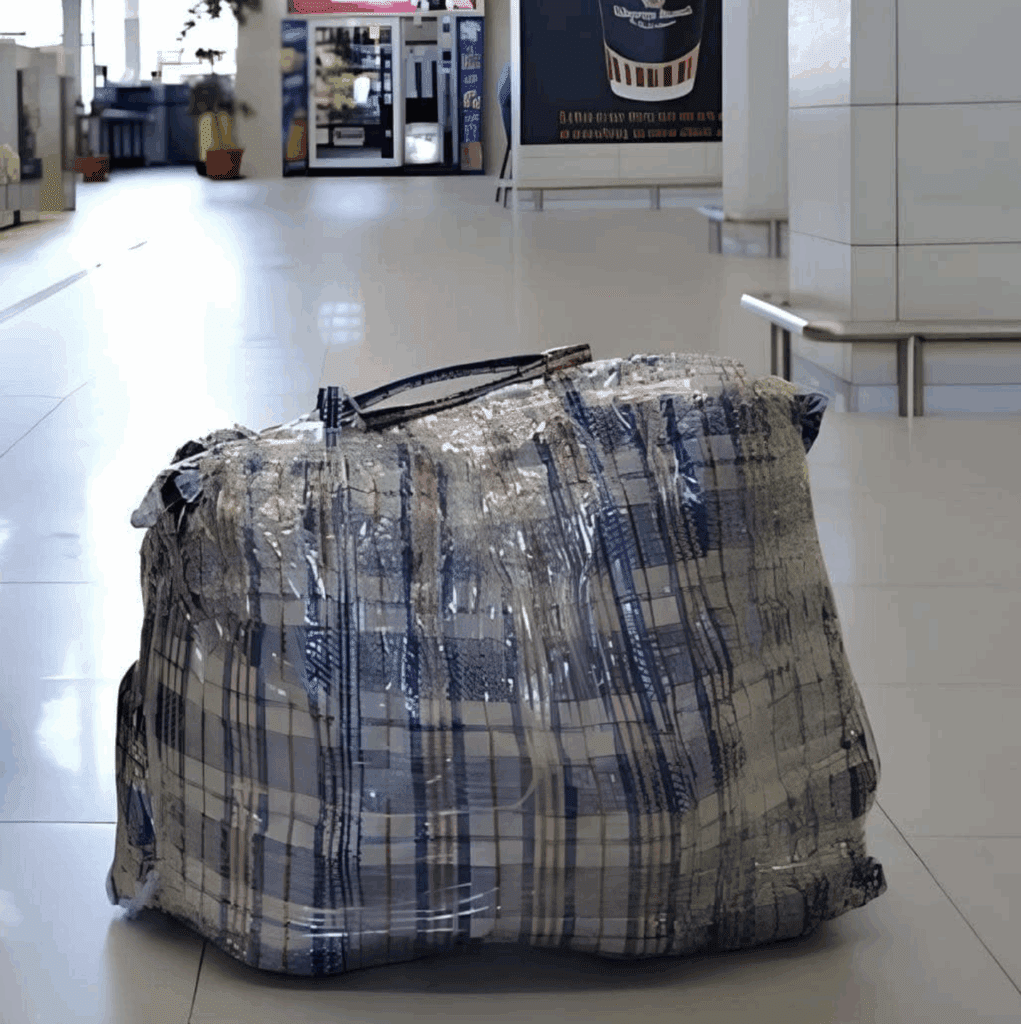
When the young man arrived at the station, his heart beat faster. In his hands, he held a rather large and heavy package, which immediately suggested it contained more than a simple postcard or letter.

Excited, he returned to the dormitory, a mixture of curiosity and impatience. Every step toward his new room was filled with anticipation to discover its contents.
When he finally opened the package, instead of his favorite snacks or objects that reminded him of home, he found something that initially perplexed him.
Inside were only trash and crumpled wrapping paper. For a moment, he wasn’t sure how to react. Confused, he searched for an explanation and finally found a short but very eloquent note:
„You left the room a mess after using it. ‘Please take out the trash’—that’s what it said.”
At first glance, it might have seemed like a simple reprimand, but the boy quickly realized it was a prank—a prank with a hidden lesson, designed to remind him of responsibility and the importance of order in his new environment. A smile spread across his face.
He appreciated his parents’ humor, who had managed to combine thoughtfulness and a life lesson in an unexpected way. This experience showed him that, even when one feels alone and far from home, family can remain a subtle yet constant presence in daily life.
Inspired by this experience, the young man decided to share the story on social media.
He detailed his first impressions, his emotions, and his reaction to the unusual contents of the package, recalling his parents’ humor. The post, published on his Facebook profile, quickly became popular.
Users commented, and the likes quickly mounted—thousands of people shared their own experiences, funny anecdotes from student life, and stories of parents demonstrating care in creative ways.
What initially seemed like an everyday gesture turned into something much more meaningful—a lesson in the importance of small details in family relationships, the value of humor, and the joy that even the most unusual way of remembering one’s duties can bring.
The young student’s story became not only an anecdote, but also a source of inspiration for many, demonstrating that in everyday life there is always room for laughter, learning, and connection—even when we are physically far from home.
Finally, it’s worth emphasizing that these small moments, while seemingly insignificant, create lifelong memories.
The first days in the dormitory, the first package from his parents, and the unusual prank designed to teach responsibility became for the young man not only a funny story to tell his friends, but also a symbol of the bond that unites him to his family, regardless of the distance and the new challenges of adult life.